Resources
Trusted Tools, Info, and Support
JTNN maintains a comprehensive directory of prevention, behavioral health, mental health, treatment, and substance use resources. Call us at (775) 324-7557 if you can’t find what you need.

Resource Directory
Substance Abuse Treatment Facility Locator
Substance Abuse Intervention Program
Learn How to Find Quality Addiction Treatment
English/Spanish
Overdose prevention materials
Free to pick up at JTNN.
Overdose is preventable. JTNN keeps naloxone, medication lockboxes, and Deterra disposal bags in stock at our office, free to anyone in Washoe County.
Medication Lockboxes
A simple way to keep prescription and over-the-counter medications secure and out of unintended hands. Lockboxes can help reduce accidental access and medication misuse at home.
Deterra Bags
Dispose of unwanted medications without keeping them around the house. Deterra bags deactivate unused or expired medications so they can be discarded safely.
Naloxone
An important overdose response tool for anyone who may encounter an opioid emergency. JTNN also offers training so community members know when and how to use it.
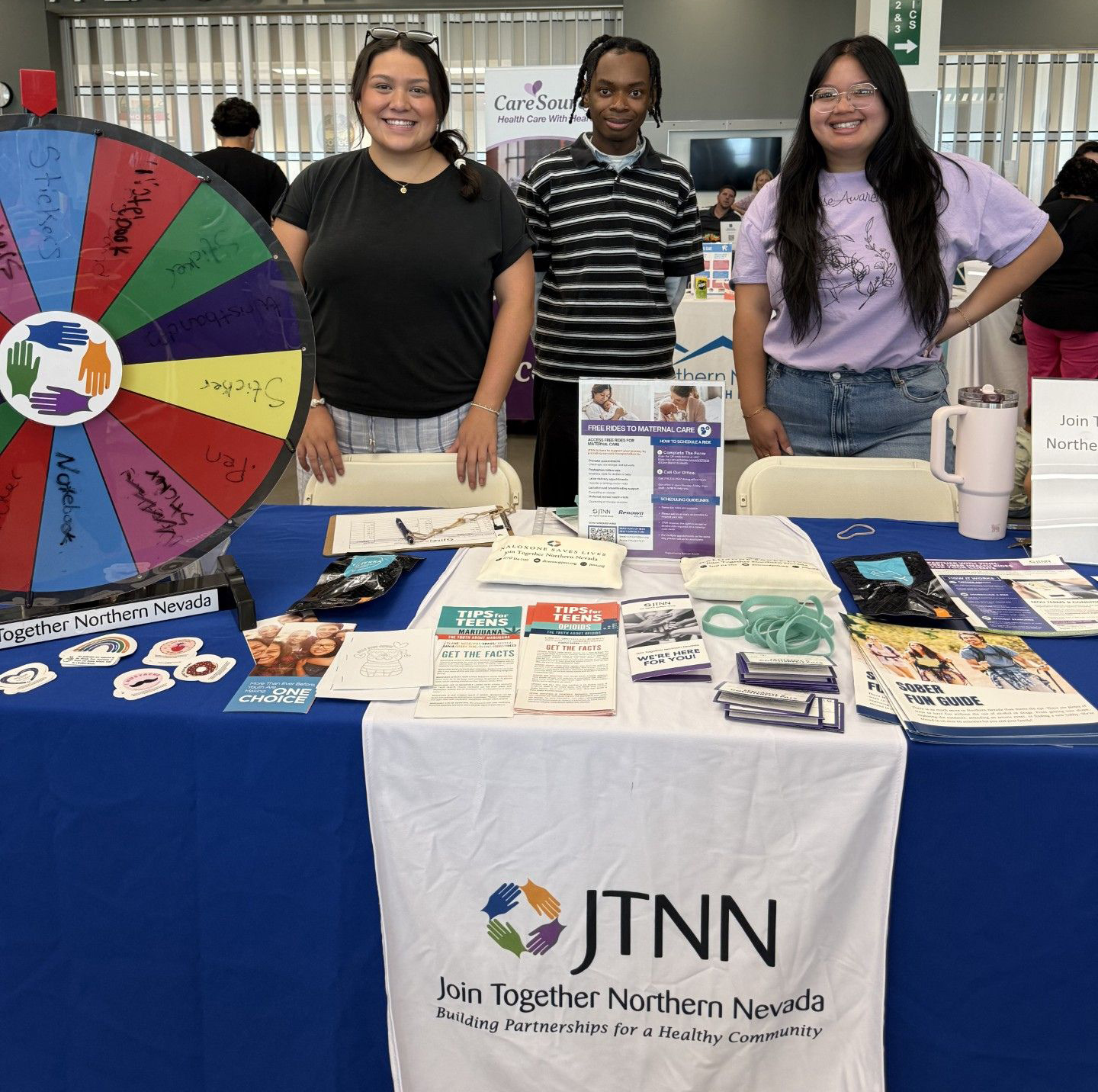

What is Uber Health?
Free transportation when you need it.
JTNN’s Uber Health program provides free rides to substance use disorder recovery services and maternal healthcare for community members who need them. Please download more info below, or call 775-324-7557 to request a ride.
Drug Prevention Toolkit
What you need to know.
Click to download the sections below.
SMART Recovery
What is SMART Recovery?
SMART Recovery is a science-informed self-management program built on practical tools and personal choice. Meetings help participants strengthen motivation, manage urges, and address unhelpful thoughts and behaviors. Days and times vary by semester. Current meetings are hosted through NRAP at the University of Nevada, Reno.
Resources To Assist The Youth
Helping youth build healthy habits.
Materials students can use for substance use prevention.
Handouts, Links, and more
“Handouts, links, posters, PSA videos, and radio spots for administrators and staff, grouped by audience.
Substance Misuse Intervention Program
Resources For Parents and Community Members
Concerned someone is misusing a substance?
- A negative change in grades
- A change in appearance – clothing, personal hygiene
- Trying to hide the smell in a room or on the breath
- New friends – particularly those you suspect may not be a good influence
- Secrecy about activities
- Strange pupils – pinpoint or dilated
- Missing money, prescription drugs or household items of value
- Evidence of drug paraphernalia – pipes, balloons, etc.
If you believe your child is using alcohol or other drugs, act soon. Say you are concerned and explain the consequences. A family physician or a licensed alcohol and drug counselor can help.