What we do
Turning Prevention into Progress
JTNN delivers prevention education and direct services throughout Washoe County. Every program we offer is grounded in evidence and delivered by trained prevention specialists.

Who we work with
From students to school districts.
Programs run from kindergarten through high school, plus training for the adults who support them. A long-standing partnership with the Washoe County School District anchors this work. JTNN supports partners with community assessment, planning, grant funding, and administration.
Evidence based programs
Effective prevention, everywhere.
Each program prevents substance misuse, strengthens social and emotional skills, and supports healthy development. Topics include vaping, alcohol, other substances, resilience, and decision-making.
For community agencies and educators
Catch My Breath
A vaping prevention curriculum that educates students about the risks of e-cigarettes and nicotine. Students build skills to resist peer pressure and make informed decisions.
Too Good for Drugs (TGFD)
Lessons develop five core skills: setting reachable goals, making responsible decisions, bonding with pro-social peers, identifying and managing emotions, and communicating effectively.
Classroom Connects
A classroom-based prevention curriculum from Rainbow Days that builds coping skills, healthy decision-making, and positive peer connection.
Project Towards No Drug Abuse
A prevention program for high school youth covering motivation, self-control, communication, and decision-making in both traditional and alternative school settings.
Curriculum-Based Support Groups
A classroom-based prevention curriculum from Brighter Days where participants learn to build coping, decision-making, and social skills.
Alternative Setting Program
Small-group programming for students in nontraditional education environments, including Youth 2 Youth peer leadership and Curriculum-Based Support Groups. Delivered in youth groups, lunch sessions, or after-school settings.
For community members
Super Parents Supervise (SPS)
Parent education with two presentations: Drug Trends and Media Safety. They cover the teenage brain, signs of substance misuse, the connection between social media and mental health, and setting healthy digital boundaries.
Guiding Good Choices (GGC)
An interactive curriculum for parents and caregivers of children ages 9–14, focused on family dynamics: promoting health and well-being, setting clear guidelines, managing conflict, and strengthening family bonds.
Parents Night Out
SAMHSA curriculum for parents and caregivers on underage drinking and other drug use. Sessions prepare adults to start these conversations at home and keep them going.
Professional development
Training in the workplace.
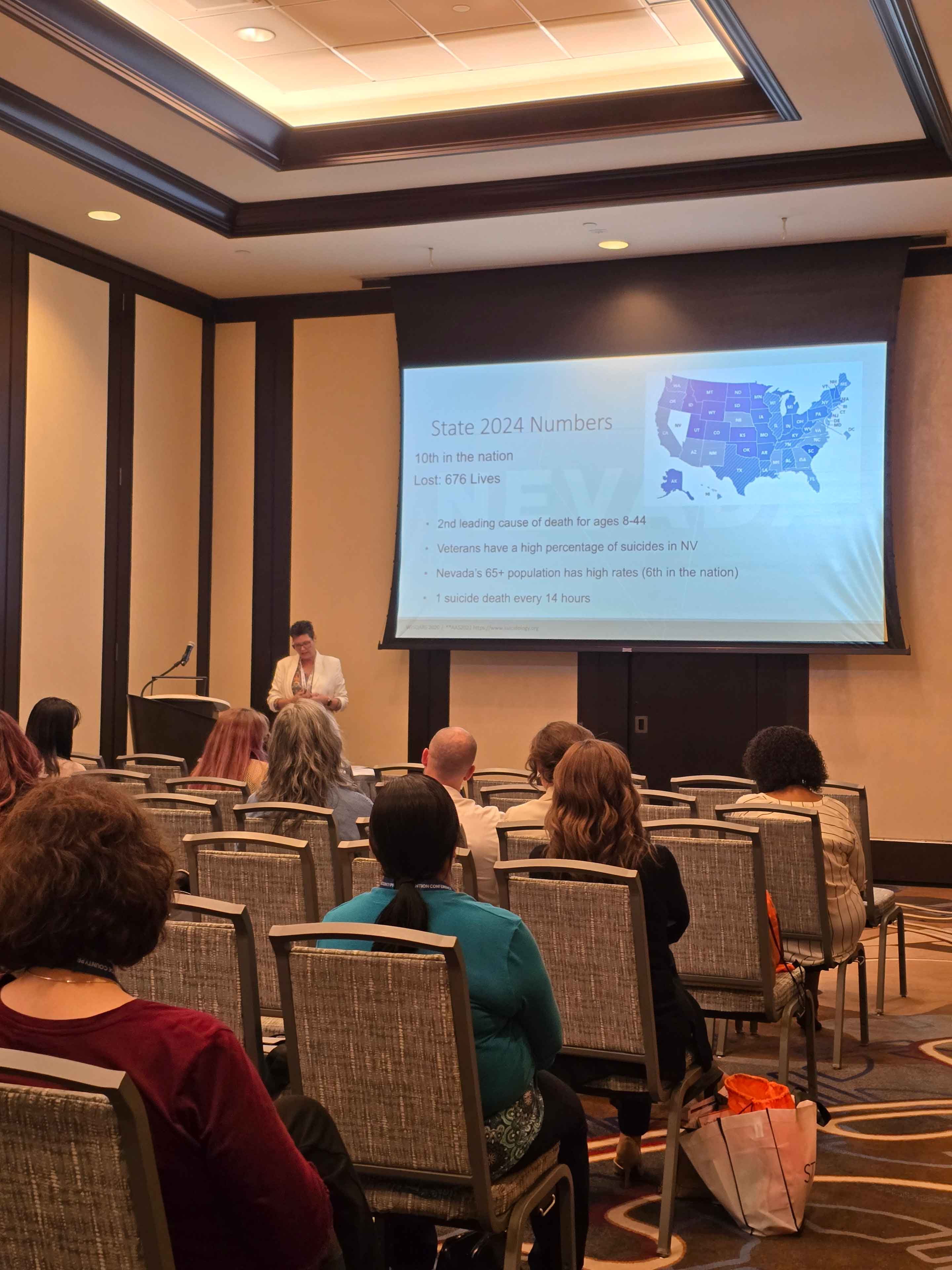
JTNN trains counselors, behavioral health professionals, educators, employers, and youth-serving agencies. Presentations can be requested on signs and symptoms of use, co-occurring disorders, effects on the brain, and substance misuse in the workplace.
Inquire about:
Train the Trainer – Formal training for school district personnel and other facilitators to deliver our evidence-based programs in their own classrooms and organizations.
Prevention Ethics – Formal training in ethical standards for prevention professionals.
JTNN ACES Training Webinar
Creating Trauma Informed – Resilient Focused Schools
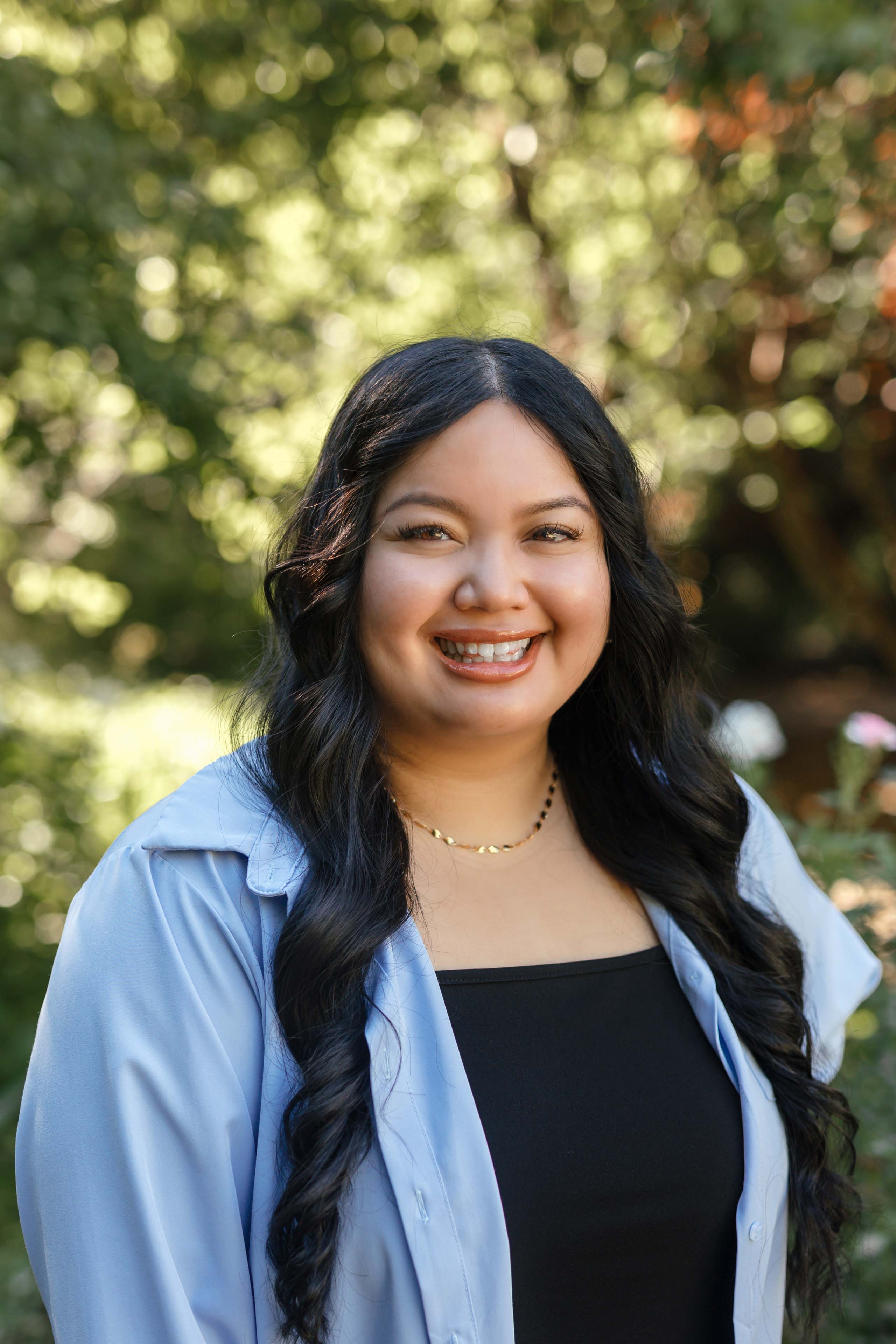
This 60-minute webinar is intended to strengthen the trauma-informed practices of youth-service professionals. Childhood trauma can carry through adult life and contribute to substance misuse.
- Understanding trauma
- Effects to the developing brain
- ACEs and PCEs Study
- Creating helpful tools to apply change in school environments
Becky Haas Webinar
Creating Trauma Informed Youth Programs
A two-hour workshop for educators and youth-serving organizations on building trauma-informed learning environments. Participants explore how community adversity and substance use affect student development, then practice emotional regulation strategies, predictable routines, and classroom management techniques.
- What you need to know about trauma
- Identification of trauma
- Awareness of the effects to brain development
- Behavior has meaning

Request A Program or Presentation
Bring a Program to Your School or Organization
A JTNN staff member will follow up to find the right next step for you.

What is Uber Health?
Free transportation when you need it.
JTNN’s Uber Health program provides free rides to substance use disorder recovery services and maternal healthcare for community members who need them. Please download more info below, or call 775-324-7557 to request a ride.